
M2 Cells
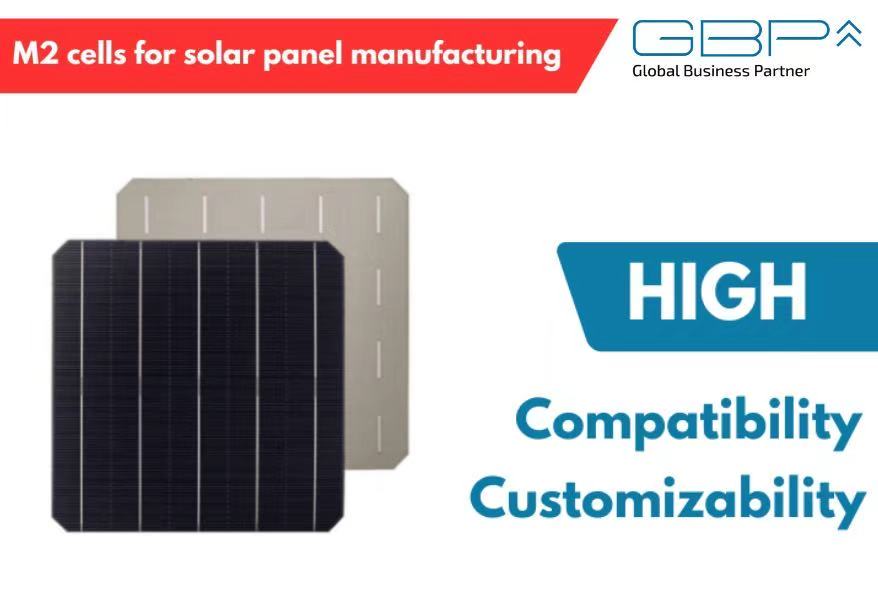
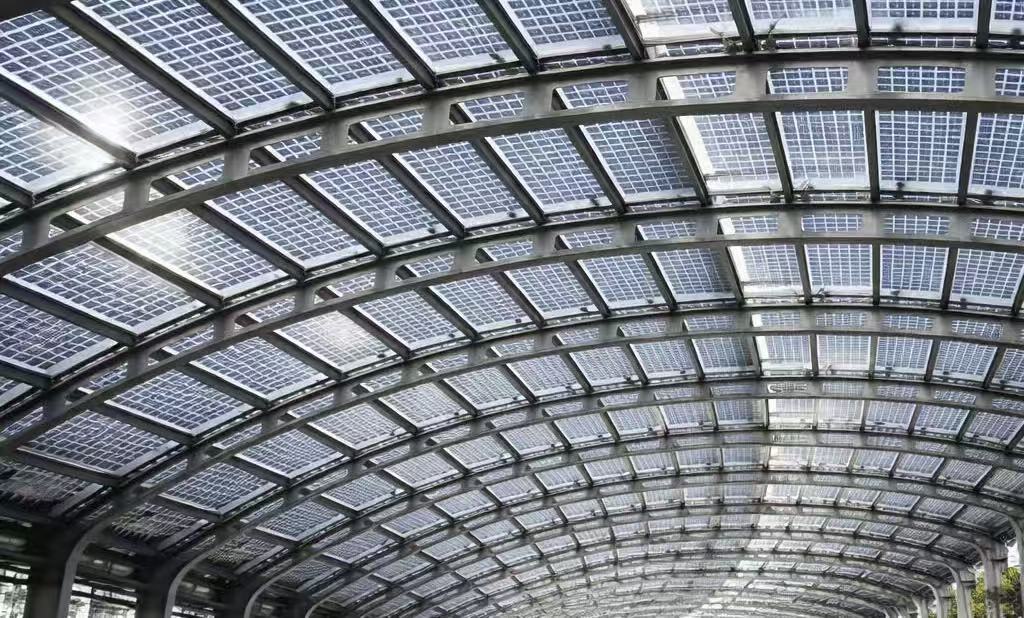
As raw materials for solar panel manufacturing, M2 cells (156.75mm monocrystalline cells) features high compatibility with existing cells and is suitable for the continued production of older panel models. Additionally, due to its relatively small cell size, it is adaptable for designing customized panels, including BIPV (Building-Integrated Photovoltaics). Through the supply of this product, GBP aims to support both the legacy panel manufacturing and the custom panel markets.
Why Choose M2 Cells?
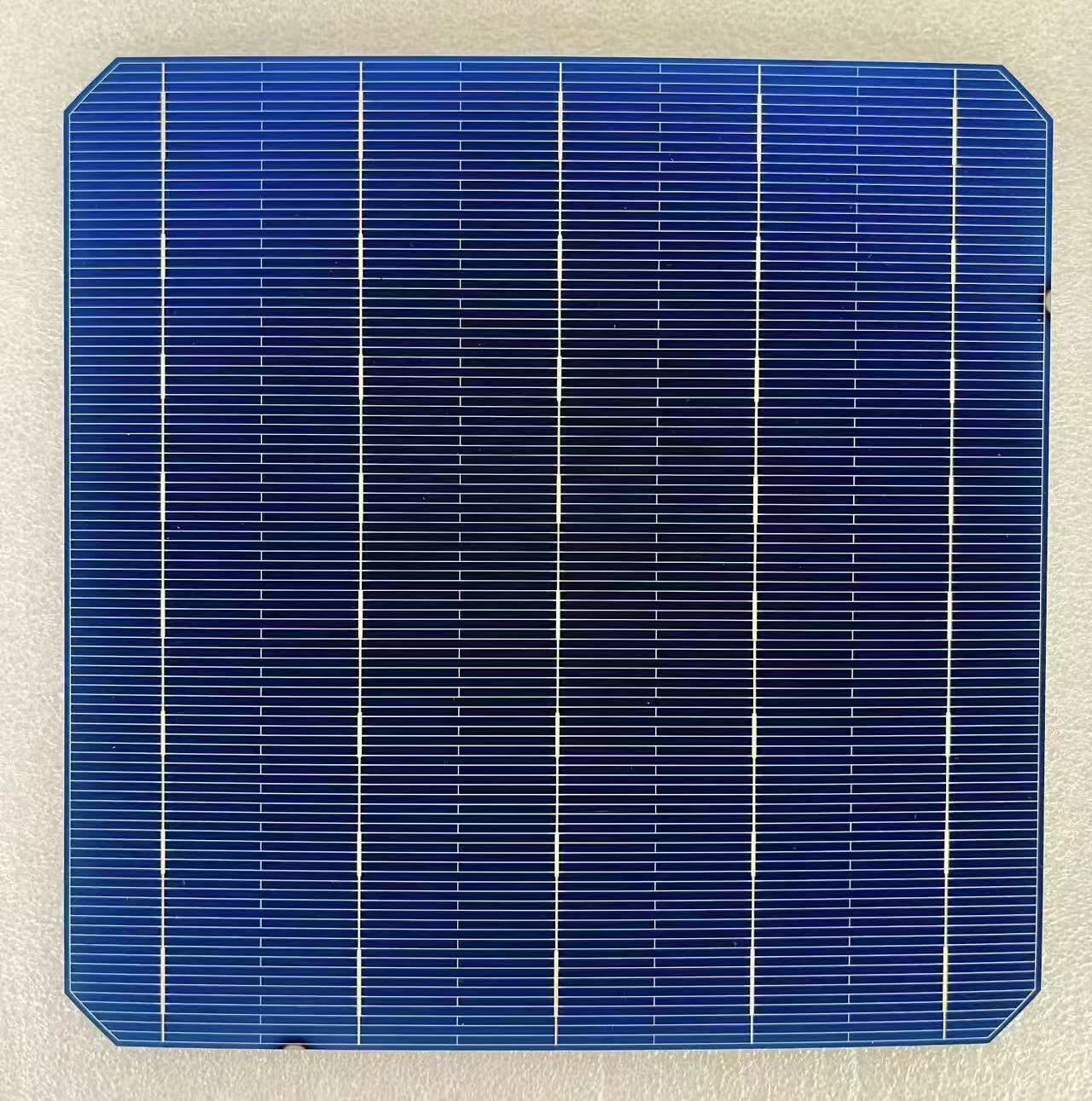
◆ High Compatibility
M2 cells have a standard size of 156.75mm and were widely sed in many solar panels manufactured primarily between 2012 and 2016. By using M2 cells as raw materials, panel manufacturers can continue producing legacy panels that conform to existing design specifications. This allows for the production of products with the same electrical parameters and dimensions as existing panels, ensuring compatibility with legacy specifications.
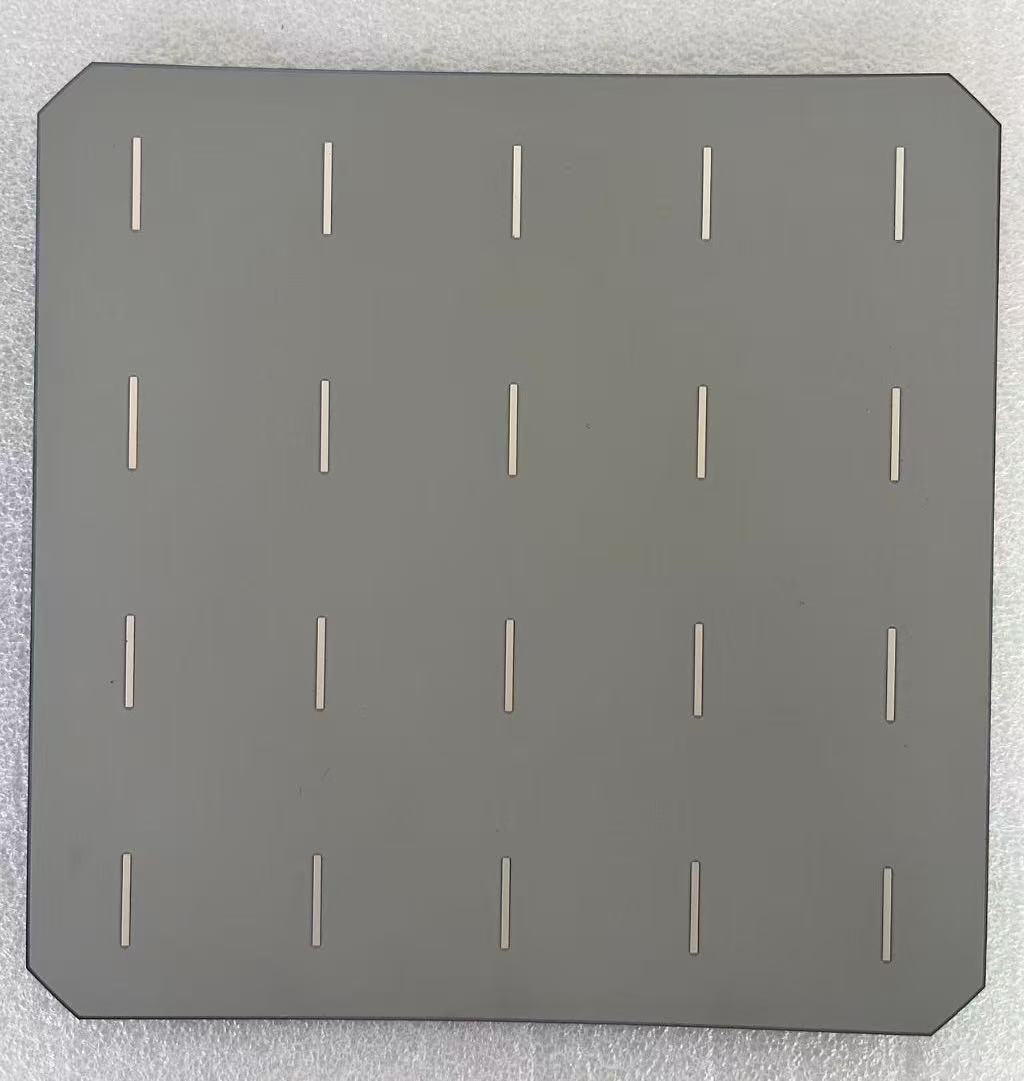
◆ High Customizability
Compared to the standard cells commonly used today, M2 cells have a smaller size, enabling flexible panel design tailored to building shapes and aesthetics. Particularly in BIPV (Building-Integrated Photovoltaics), where solar panels are integrated into building facades, roofs, windows, and other elements, there is a need to accommodate irregular sizes and shapes. Using M2 cells simplifies the manufacturing of customized panels that align with architectural designs. It allows for the custom production of panels with diverse shapes and sizes, which would be difficult to achieve with standard larger-sized cells.
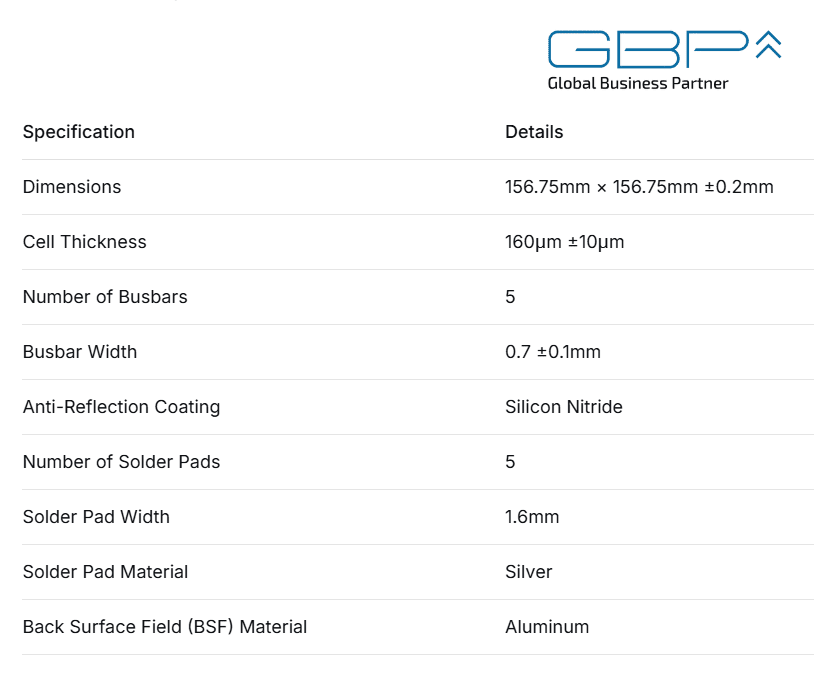
Technical snapshot
Background of Product Supply
In the current solar power industry, there is a growing shift towards larger cells and advanced technologies, leading to a steady annual decline in the production and supply of the previously mainstream M2 cells (156.75mm). As a result, panel manufacturers seeking to continue producing legacy panels are facing increasing challenges in securing a stable supply of the required cell materials. On the other hand, many of the solar panels currently used in existing photovoltaic systems are based on M2 cells. There remains consistent demand for compatible replacement panels for legacy models (primarily manufactured between 2012 and 2016), as well as for customized panels in BIPV (Building-Integrated Photovoltaics) applications.
Future Development
GBP will support the continued production of legacy specification panels and the customized panel market through the stable supply of M2 cells. Furthermore, by promoting the adoption of BIPV (Building-Integrated Photovoltaics), we aim to contribute to a sustainable society and the preservation of the global environment. If you have any questions about our company's factories, products, manufacturing processes, etc., please feel free to contact us.
Related Products and Services
-

Solar Cable Business
-

General Business
-
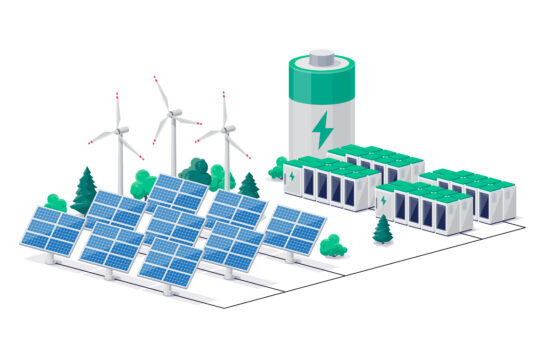
Energy Storage System
-
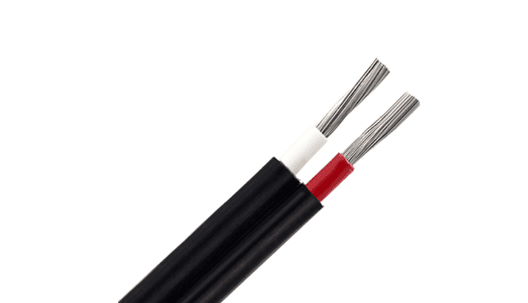
Twin-core solar PV cable for Australia

 CATALOG