
GBP to Build New Manufacturing Facility to Support Japan’s Solar Growth
- 2026/01/26
- News
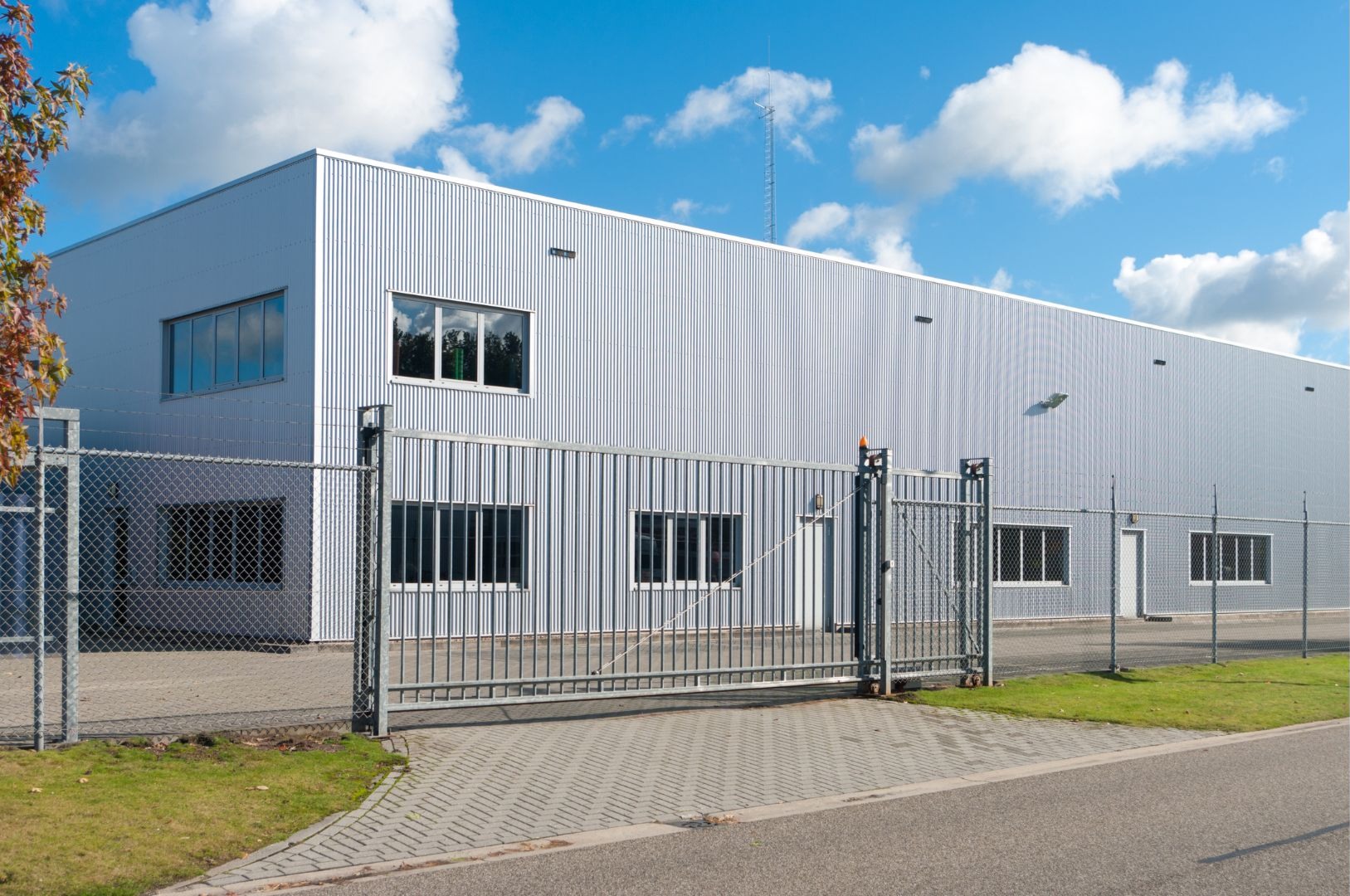
GBP K.K. announced plans to establish a new domestic manufacturing facility in Kita-Ibaraki, Japan, reinforcing its commitment to supporting the evolving needs of the country’s solar power market.
Japan’s solar industry is entering a new phase of development. While investment in new solar power plants continues as renewable energy strengthens its role as a primary power source, a growing number of existing installations—many built during the early years of the FIT program—are now reaching an age where upgrades, replacements, and repowering are essential. As a result, market demand is expanding simultaneously across both new construction and asset renewal.
This shift is placing greater emphasis on stable product supply, consistent quality, and rapid delivery—particularly for replacement components that must integrate seamlessly with existing systems.
The new Kita-Ibaraki facility is designed to address these challenges directly. The plant will manufacture GBP’s full product portfolio, including replacement solar panels compatible with discontinued models, transformers, junction and combiner boxes, and power cables. By consolidating design, production, and shipment within a single domestic facility, GBP aims to strengthen quality control, shorten lead times, and enhance supply reliability for customers across Japan.
In addition to manufacturing, the facility will also incorporate solar panel recycling operations. With end-of-life solar panels in Japan expected to reach approximately 500,000 tons annually in the coming years, responsible recycling and resource recovery have become critical industry issues. Through this integrated approach, GBP will provide end-to-end support—from equipment supply through recycling—helping power plant owners reduce operational complexity while advancing environmental sustainability.
With this investment, GBP positions itself to support both the growth and long-term resilience of Japan’s solar infrastructure, contributing to a more reliable, circular, and sustainable energy ecosystem.